blog1

Why Guessing Costs Millions: The Case for Precision Water Intrusion Diagnostics

Guesswork is Expensive — and Dangerous

When a building develops a moisture problem, many contractors jump straight into “fixing” what they think is the problem. They caulk a seam, replace a window, or repaint a wall, hoping the leak won’t return. But without knowing the actual cause, the result is often the same: wasted time, wasted money, and a problem that comes back with the next Gulf Coast storm or hurricane.

At BMC, we don’t guess. We follow the science.


A Science-First Approach to Moisture Intrusion

Every investigation begins with one question: Where is the water getting in? Until that question is answered with certainty, any “repair” is just gambling with the client’s money.

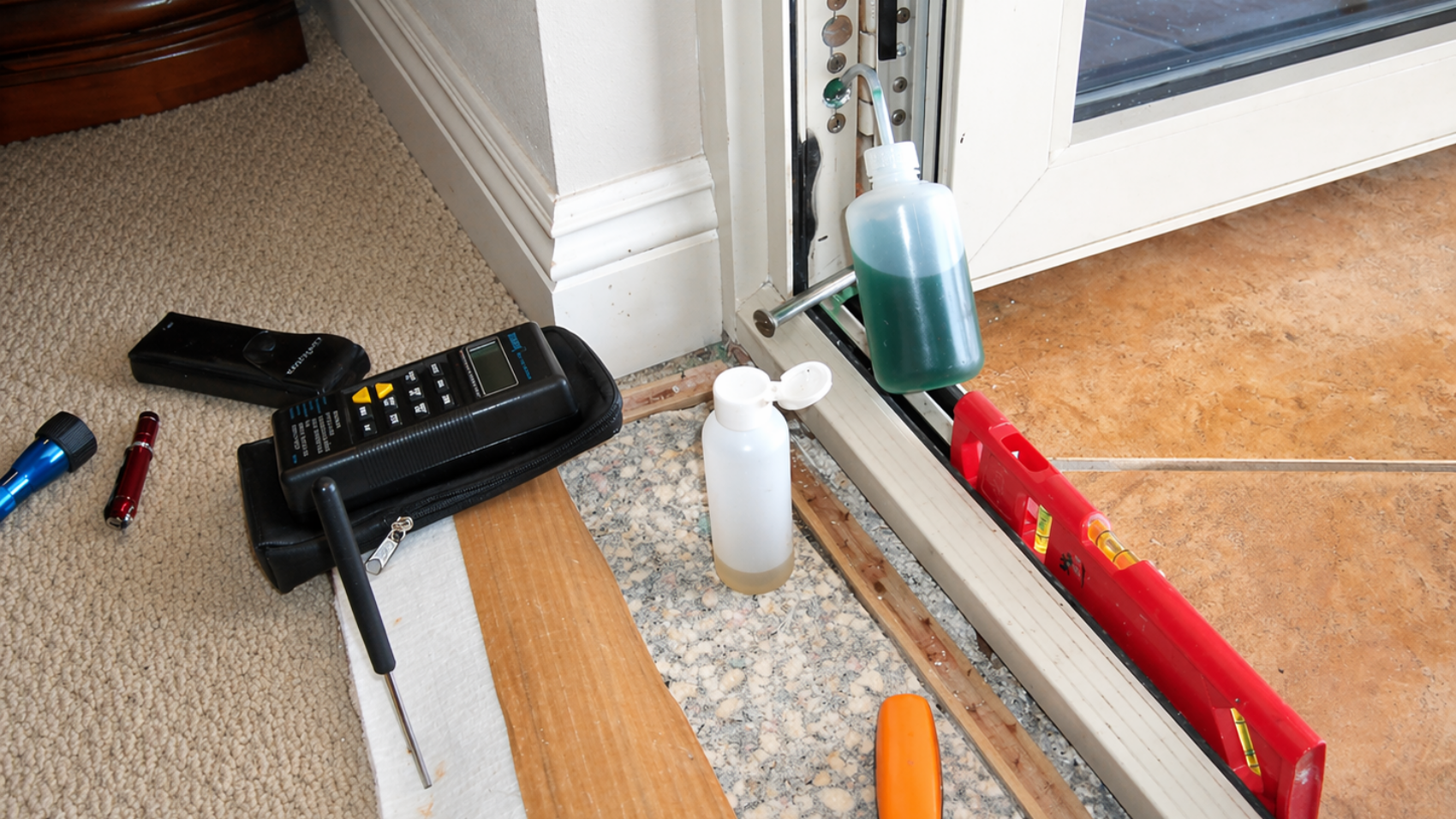
Our process uses forensic tools and industry-leading testing techniques to pinpoint the exact source of the breach:

  • FLIR Thermal Imaging to detect temperature anomalies caused by hidden moisture.
  • Moisture Mapping to trace the path of water through walls, roofs, and window assemblies.
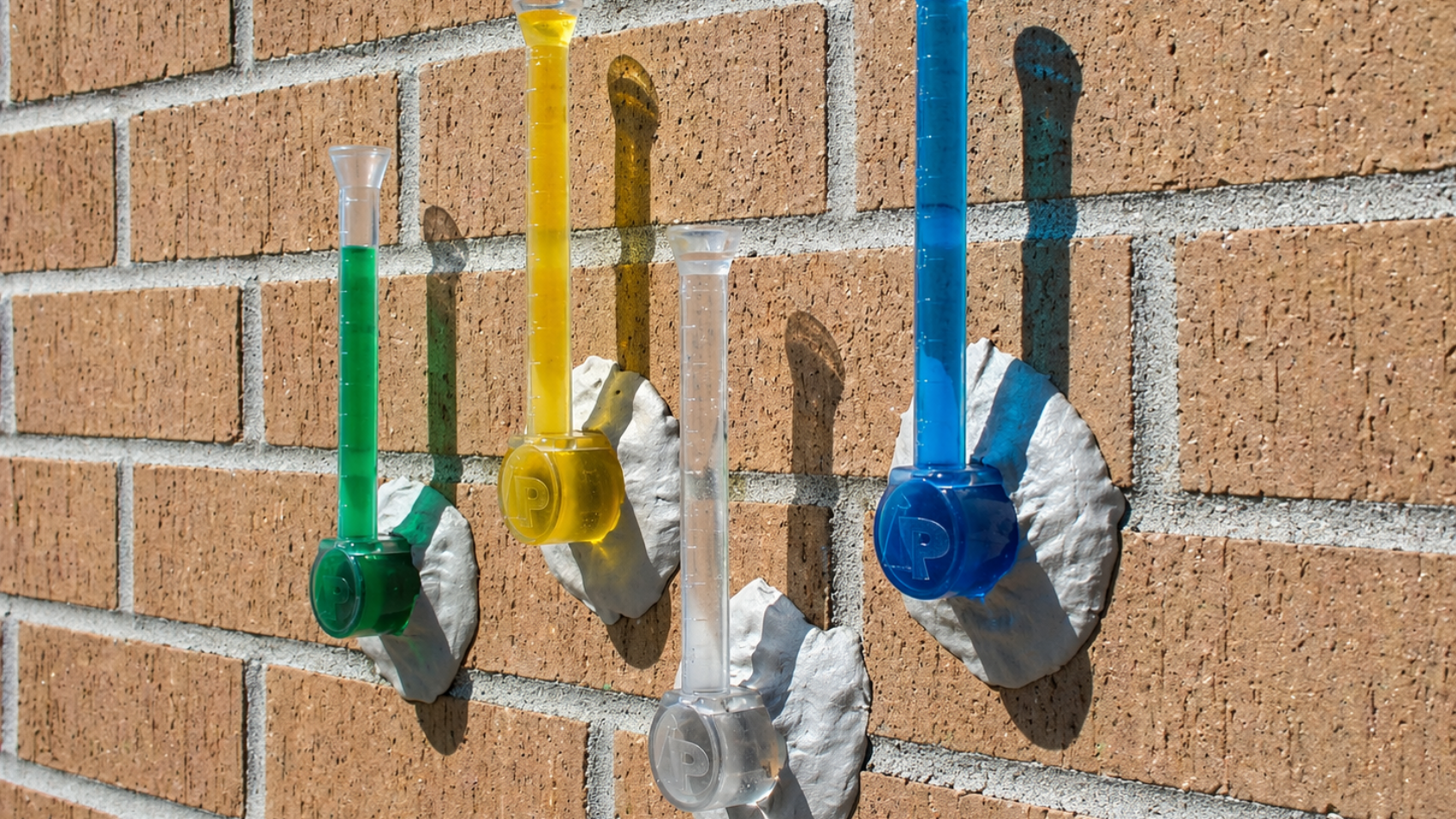
  • ASTM-Compliant Water Testing to replicate real-world conditions, including wind-driven rain.
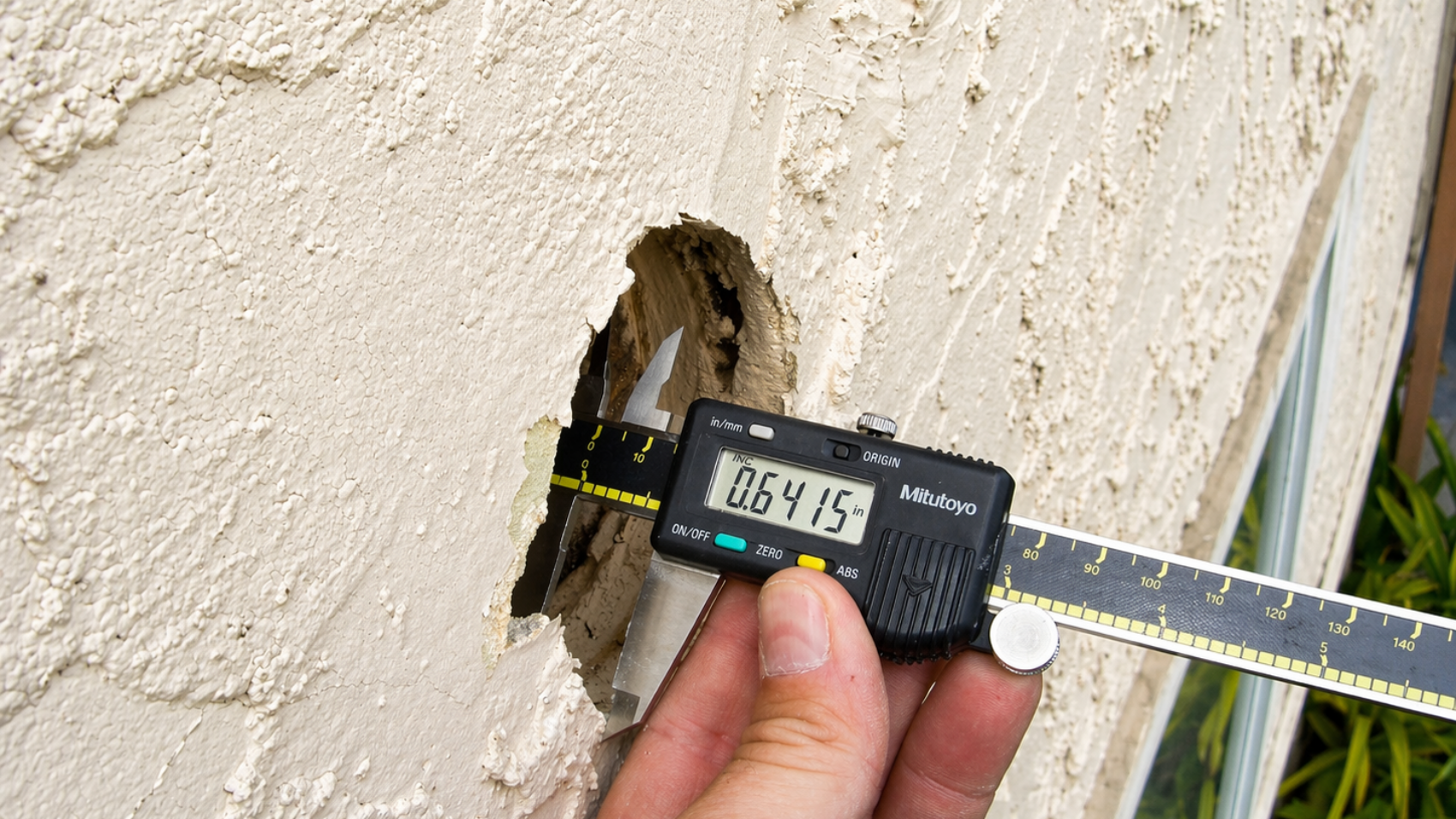
  • Targeted Invasive Probing only when absolutely necessary to confirm results.
  • Simulated Weather Testing to recreate real-world conditions — ensuring that the identified breach is resolved and the repair will perform under actual storm events.

By following the evidence, we uncover the true cause — not a list of possibilities.


From Diagnosis to Resolution — Without the Wishlist

Property owners and managers are often handed a “wishlist” of potential repairs, each with its own cost, and told that one might work. At BMC, that doesn’t happen.

Once we’ve identified the cause, we develop a targeted repair plan designed to solve the problem the first time. We can also serve as third-party oversight during the repair process, ensuring the work is executed to best practices and manufacturer specifications. This keeps the project on budget, prevents unnecessary replacements, and dramatically shortens the time between discovery and resolution.


Why This Matters on the Gulf Coast

In the Gulf Coast’s storm-prone, high-humidity environment, every day a building remains vulnerable increases the risk of structural damage, mold growth, and insurance complications. Guessing delays the fix — and the cost of delay can run into the hundreds of thousands. Our science-first approach means faster solutions, lower repair bills, and far less disruption for owners and occupants.


The Best Outcome Begins With Action Today
If your building is showing symptoms of moisture intrusion, don’t gamble on trial-and-error repairs. Call BMC today for science-backed diagnostics that find the cause, fix it right the first time, and save you from the high cost of guessing.

blog2

Behind the Walls: How Building Envelope Failures Go Undetected for Years

Why Envelope Failures Hide in Plain Sight

Along the Gulf Coast, where salt air, high humidity, and sudden storms are part of daily life, building envelope failures often begin quietly. In most cases, the earliest stages show no obvious warning signs. Moisture can travel along hidden pathways inside walls, roofing systems, or window assemblies—well out of sight from occupants and maintenance teams. To make matters worse, many repairs only address what’s visible on the surface, such as repainting or patching, while the underlying breach remains active. This allows the problem to continue quietly for months or even years before it’s discovered.


The Domino Effect of Undetected Failures

When water intrusion is left unchecked—especially in coastal environments like the Gulf Coast—the damage compounds quickly. Continuous moisture exposure can weaken structural framing, corrode metal fasteners, and cause finishes to delaminate. Mold and mildew thrive in the region’s warm, humid climate, often taking hold in concealed spaces and spreading through HVAC systems, impacting indoor air quality throughout the building. Financially, the stakes are just as high—long-term damage is often classified by insurers as “maintenance-related” rather than “sudden,” resulting in denied claims and costly out-of-pocket repairs.


The Telltale Signs — and Why They’re Often Missed

Even when clues are present, they’re easy to overlook—especially in Gulf Coast properties, where wind-driven rain events can be brief but intense. Some leaks only occur during specific weather patterns, leaving no trace in dry conditions. Minor cracks in sealants may be mistaken for harmless aging, and slight discoloration or bubbling of finishes can be dismissed as cosmetic imperfections. Without trained eyes and the right tools, these subtle indicators slip past routine inspections.


How BMC Finds What Others Miss

BMC specializes in coastal building envelope consulting, using advanced, industry-leading techniques to identify issues long before they become crises. Our approach includes moisture mapping, thermal FLIR imaging, and forensic-level water testing designed to replicate Gulf Coast weather conditions—such as wind-driven rain. By tracing moisture to its exact point of entry, we deliver detailed diagnosis and court-ready reports that pinpoint the cause, not just the symptom. This ensures repairs are precise, effective, and permanent.


Prevention is Always Cheaper than Repair

The most cost-effective strategy—especially in a climate as demanding as the Gulf Coast—is to stop problems before they start. Building Moisture Consultants helps property owners and managers establish scheduled building envelope inspections, providing thorough documentation to track conditions over time. We address vulnerabilities before they escalate, and we use precision diagnostics to confirm repairs have been done correctly—eliminating the guesswork and preventing repeat issues.


If you suspect damage or are already noticing signs—such as leaks, staining, or musty odors—don’t wait for Gulf Coast weather to turn a manageable issue into a costly disaster. Call BMC today for a comprehensive building envelope inspection and address the problem before it escalates into multi-million-dollar repairs.

blog3

The Hidden Risks of Mold: What Every Property Manager Needs to Know

A Problem That’s Bigger Than a Stain on the Wall

A tenant calls to report a faint musty smell in their unit. You send maintenance, they find nothing obvious, and the issue is brushed aside. Six months later, that same unit has mold across the baseboards, under the carpet, and inside the HVAC return — three more units now test positive, and the HOA board wants answers.

Mold isn’t just a maintenance headache. In the Gulf Coast’s humid climate, it’s a fast-moving, reputation-threatening problem that can damage property values, trigger legal claims, and put health at risk.


A Lesson from the Chinese Drywall Crisis

From the mid-2000s through the early 2010s, thousands of Gulf Coast homes and condominiums were affected by imported Chinese drywall that emitted sulfur compounds and absorbed moisture at alarming rates. This created the perfect breeding ground for chronic mold problems — often hidden deep within wall assemblies.

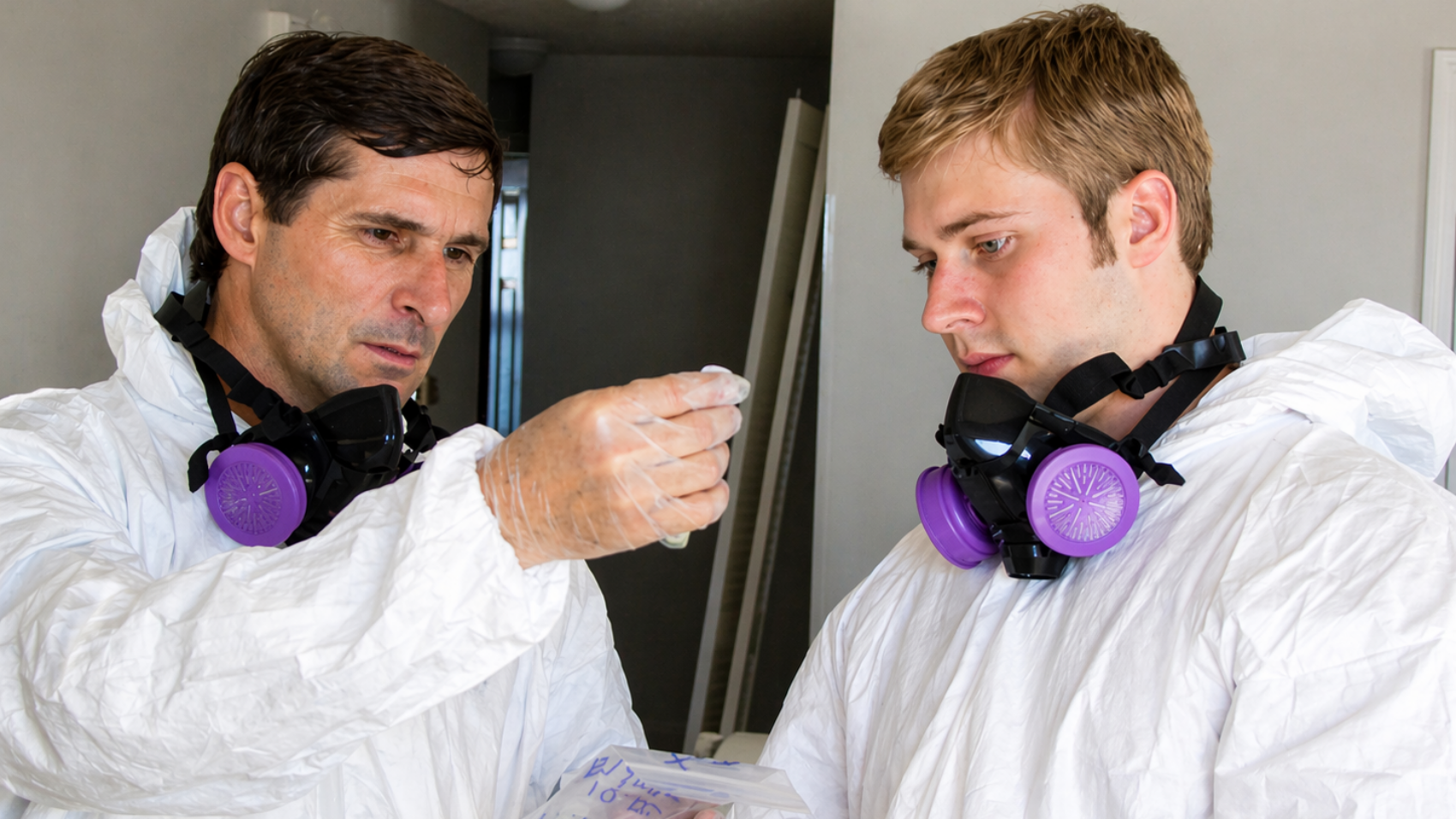
BMC was a major player in remediating Chinese drywall damage across Florida, Alabama, and Mississippi. Our team conducted large-scale inspections, moisture testing, and remediation oversight for affected properties, ensuring not just removal of the defective material but also long-term prevention of mold recurrence. That experience gave us an unmatched depth of knowledge about how mold behaves in high-humidity coastal environments and how to stop it at the source.


Myth vs. Reality

Myth: Mold is only a problem if you can see it.
Reality: By the time it’s visible, it’s often been growing for weeks or months inside walls, under flooring, or in ductwork.

Myth: A bleach wipe-down solves the problem.
Reality: Surface cleaning may mask the issue temporarily, but if the source of moisture remains, mold will return — often stronger.

Myth: Insurance will cover the damage.
Reality: Many Gulf Coast property policies exclude mold or cap coverage far below actual remediation costs.


The Real Risks for Property Managers

  • Health Liability: Respiratory issues, allergic reactions, and worsened asthma among occupants.
  • Reputation Damage: Mold issues can affect leasing, sales, and renewals for years.
  • Regulatory Trouble: Complaints can trigger building or health department inspections.

Why the Gulf Coast is High-Risk

The region’s warm, humid air creates ideal conditions for mold growth. Frequent storms, wind-driven rain, and salt-laden air mean even minor leaks or condensation can quickly fuel a major outbreak. Add in building materials that aren’t suited to the environment — as seen during the Chinese drywall crisis — and the risks multiply.


BMC’s Rapid Response Approach

When mold is suspected, BMC acts fast:

  1. Identify the Moisture Source – Targeted diagnostics and forensic investigation tools are used to find the exact breach feeding mold growth.
  2. Verify the Extent – Moisture mapping and testing to determine how far contamination has spread.
  3. Create a Remediation Plan – Coordinating with remediation contractors to ensure proper containment and removal.
  4. Prevent Recurrence – Implementing solutions that address the source and protect against future outbreaks.

The Best Response Starts Today:
If you’ve had water intrusion, musty odors, tenant complaints, or suspect your building may still have defective materials from past construction eras, don’t wait for Gulf Coast heat and humidity to make the problem worse. Call BMC today for a moisture intrusion inspection and stop mold before it becomes your next six-figure problem.